

6/16/2026 | 4:16 PM-4:45 PM
Linking Leaders to Limit Germs: Remote Mentorship Model in South Sudan
Session Description: Healthcare facilities in complex, resource-limited settings often struggle to establish and sustain effective infection prevention and control (IPC) programs, due partly to limited on-site expertise and the temporary nature of potential support that often occurs during public health emergencies. One option, though not ideal, is the remote mentorship of IPC experts to these healthcare facilities, which can assist in building IPC capacity.
Since 2022, an international non-governmental organization (NGO) has provided remote IPC support to a rural healthcare facility in South Sudan. Despite significant initial challenges—including poor sanitation, lack of policies, and limited supplies - the facility has become a regional IPC leader.
The underlying framework of this model is based on the translation of World Health Organization (WHO) resources by IPC experts into practical, operational playbooks for the facility. The effort began with the formation of an IPC committee and hand hygiene. The local team installed proper handwashing stations and ensured access to alcohol-based hand sanitizer (ABHS). As purchasing ABHS was cost-prohibitive, staff were trained to produce it locally. A hand hygiene policy and remote training of staff followed.
To increase reliability, on-site clinical volunteers were included to assist remote IPC experts implement additional IPC best practices including standard precautions, high-level disinfection, and sterilization. Regular Knowledge, Attitude, and Practice (KAP) surveys now guide targeted IPC interventions and support the sustainability of the IPC program by providing quantifiable compliance data over time.
Validation of this model came in 2024, when a local WHO Water, Sanitation, and Hygiene (WASH) team, while on-site, recognized the facility as having the strongest IPC practices and waste management system in the country.
This practical mentorship model for remote IPC support offers a possible solution for healthcare facilities in complex, resource-limited settings struggling to establish and sustain an IPC program.
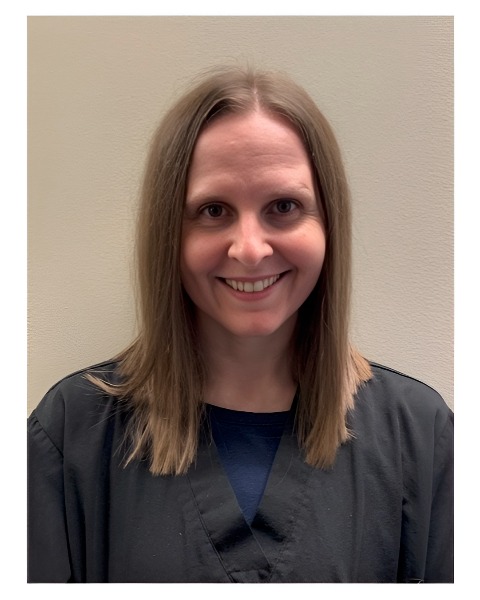
Claire Jai
Assistant Vice President Infection Prevention, Methodist Healthcare System
Claire Jai is a certified Infection Preventionist with over 15 years of experience. She obtained her Master's of Science (MSc) from the London School of Hygiene and Tropical Medicine in the Control of Infectious Diseases. After starting her career at Children's National Medical Center, she spent three years in Nairobi, Kenya providing consultation services to a variety of private healthcare facilities. Upon returning to the US, she has worked as the leader of multiple Infection Prevention programs. She is currently the Assistant Vice President Infection Prevention for Methodist Healthcare System in San Antonio, Texas and provides consulting services to a small rural healthcare facility in Nzara South Sudan as part of Catholic Medical Mission Board (CMMB), an international NGO.

Kinta Alexander
Director of Infection Prevention, New York City Health and Hospitals/Harlem
Dr. Kinta Alexander, DrPH, MS, MPH, CIC, FNYAM, is Director of Infection Prevention and Control at NYC Health + Hospitals | Harlem and CEO of MICRO Consulting Corporation. With over 18 years in infection prevention, she has led innovative initiatives, including the development of a system-wide protocol to combat multidrug-resistant Candida auris (recently reclassified as Candidozyma auris) while at Mount Sinai Brooklyn, later recognized by the New York State Department of Health as a best practice. An accomplished presenter and author, Dr. Alexander has shared her expertise at ICPIC in Geneva and APIC’s national conference, with publications covering CRE, C. difficile, measles, CAUTI, neonatal Pseudomonas, and hand hygiene compliance. She serves as a manuscript reviewer for AJIC and ICHE, co-chairs the Infection Prevention Council for NYC Health + Hospitals, and leads the mentorship program as a Board Director for the APIC Greater New York Chapter. Her honors include the 2019 United Hospital Fund Excellence in Health Care Award and induction as a Fellow of the New York Academy of Medicine in 2024.