

6/17/2026 | 8:00 AM-9:00 AM
Beyond the Culture: Investigating Pseudo-Outbreaks in Robotic Bronchoscopy
Session Description: A pseudo-outbreak is characterized by an apparent increase in incidence of an organism without evidence of true infection or transmission. Pseudo-outbreaks may be caused by contamination, laboratory errors, or changes in surveillance practices. Rapid recognition and interventions are vital, as pseudo-outbreaks can still cause harm. False positive results can lead to misdiagnosis, overtreatment, or delayed diagnosis of a true infection. Additionally, pseudo-outbreaks may indicate gaps in disinfection, hand hygiene, and aseptic technique.
We identified two separate, concurrent clusters caused by two different bacteria in lung tissue cultures obtained via robotic bronchoscopies: the rare, waterborne Mycobacterium ilatzerense and the common skin commensal, Cutibacterium acnes. These clusters were initially thought to represent a common source of contamination, but finding potential sources was challenging, due to the inherent complexity of the robotic bronchoscopy procedure, equipment used, and clinical status of patients requiring this specialty procedure. Ultimately, our investigation not only uncovered the surprising origins of our pseudo-outbreaks, but also multiple incidental findings that Infection Prevention practitioners should be aware of while rounding in a procedural suite utilizing robotic bronchoscopy.
In this presentation, we will guide participants through the step-by-step process of our outbreak investigation to uncover the root causes of these pseudo-outbreaks. We will highlight key challenges we encountered, demonstrating how confounding, cognitive biases, and heuristics can lead investigations astray, and most importantly, how to avoid these common pitfalls.
Participants will also learn to recognize infection prevention risks unique to robotic bronchoscopy — from workflow challenges during specimen collection and handling, to reprocessing practices that may contribute to culture contamination. We will explore how to spot these risks during rounding, engage in effective collaboration with procedural staff, and translate observations into targeted and actionable recommendations. This knowledge will help prevent both true infections and misleading pseudo-outbreaks, strengthening patient safety and investigation accuracy.
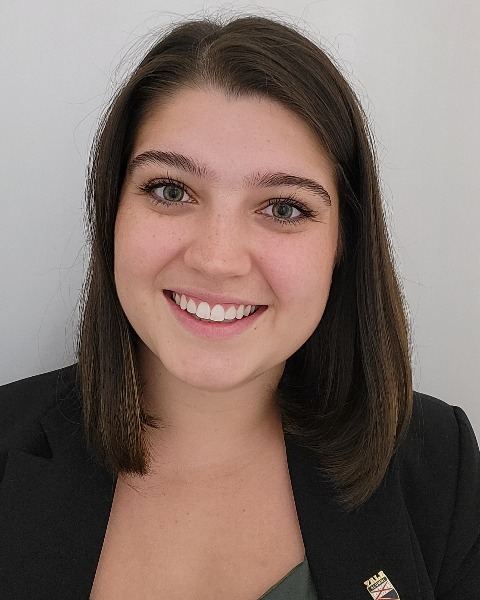
Kathryn Willebrand
Infection Preventionist, Providence St. Peter Hospital
Katie Willebrand is passionate about applying epidemiologic methods to improve safety and patient outcomes. With a B.S. in Microbiology from the University of Washington and an MPH in Epidemiology of Microbial Diseases and Public Health Modeling from Yale University, she works to prevent infections while caring for the whole patient. Katie began her career as a Patient Care Technician and Medical Scribe, before transitioning into research, publishing on cruise ships outbreaks, vaccine uptake, and social contact patterns. After serving as the epidemiologist for the City of Middletown, Connecticut, Katie transitioned into acute care Infection Prevention to improve patient safety more directly. She now leads CLABSI, dialysis, high-level disinfection, and emergency preparedness efforts in her department, collaborating with front-line staff to develop tailored solutions. She is recognized for her love of learning, enthusiasm for spreadsheets, and dedication to creating safe environments where patients can receive the best possible care.

Jessica Johnson
Associate Infection Preventionist, Providence
Jessica Johnson is a dedicated healthcare professional with over 11 years of experience in clinical care, education, and infection prevention. She spent nine years as a registered respiratory therapist in acute care, where she built a strong foundation in patient care and clinical teamwork. As an educator, she supported staff development and evidence-based practice. Over the past two years, Jessica has focused her career on infection prevention, with primary efforts centered on reducing ventilator-associated events (VAE), Clostridioides difficile (C. diff) infections, and improving hand hygiene compliance. Her clinical expertise and collaborative approach help bridge the gap between bedside care and infection prevention strategies. Jessica is passionate about quality improvement and is committed to fostering safer, cleaner healthcare environments through staff engagement, data-driven education, and practical interventions.

Trent MacAllister
Infection Preventionist, Washington State Department of Health
Trent MacAllister, MPH, MS, CIC, is an Infection Preventionist at the Washington State Department of Health within the Healthcare-Associated Infections and Antimicrobial Resistance Section. In this role, Trent conducts Infection Control and Response (ICAR) consultations with healthcare facilities throughout the state. He has also provided outbreak investigation and response support to acute care, long-term care, ambulatory care, residential treatment, and behavioral health facilities. Trent worked as an infection preventionist in an acute care hospital before transitioning to his current role in public health. Trent is the Association for Professionals in Infection Control and Epidemiology (APIC) 2026 Annual Conference Committee (ACC) Chair. In his free time, Trent enjoys mountain biking, hiking, hanging out with his dogs at the lake, and traveling the world with his wife.

Teresa Daniels
Central Kentucky Market Director of Infection Prevention, Lifepoint Health
Teresa Daniels is the Central Kentucky Market Director of Infection Prevention for Centerpoint Health. Teresa has been a registered nurse since 1992. Teresa earned a Master’s Degree Nursing (MSN) with a specialty in Infection Prevention from American Sentinel University in May 2016. Teresa holds multiple national certifications. Teresa has had articles published in Infection Control Today Magazine and the American Journal of Infection Control. She was awarded Patient Safety Hero in November 2017 by the Kentucky Hospital Association. In 2019 she received an APIC national award for Hero of Infection Prevention for Performance Improvement. Teresa has been an active member of LifePoint Health Infection Prevention Advisory Council since 2014. Teresa is an active member of the Bluegrass APIC Chapter where she has served as Chapter President in 2014 , 2018, 2023, and 2026. Teresa was the 2025 Chair of the National APIC Annual Conference Committee (ACC).