
6/16/2026 | 2:15 PM-3:15 PM
Centralizing Ambulatory Instrument Cleaning and Sterilization
Session Description: Decentralized instrument cleaning and sterilization in ambulatory settings places a significant burden on clinical staff and increases the risk of infection control breaches. Although our healthcare system centralized steam sterilization years ago, over 180 ambulatory departments remained responsible for manually soaking, cleaning, and assembling surgical instruments prior to transport. As our healthcare system expanded, aging equipment and space limitations necessitated a new approach to ambulatory sterile processing.
This presentation will describe the successful relocation of ambulatory sterile processing operations to a hospital-based Sterile Processing Department (SPD) and the system-wide transition to point-of-use processing gel. Beginning in December 2023, a multidisciplinary team collaborated across departments – including SPD, supply chain, logistics, regulatory, learning and development, and clinic leadership – to implement this change.
The initiative required strategic coordination across several operational domains. Hospital SPD teams evaluated equipment and staffing needs to manage increased volume. Supply chain efforts focused on ordering new supplies, phasing rollouts to avoid backorders, and managing obsolete inventory. Transport planning addressed courier logistics, regulatory compliance, and containment of contaminated instruments. Regulatory focused on instrument tape standards and sterilization tracking. Training was developed for both hospital SPD and clinical staff with competency assessments to ensure compliance. Tray recipes were standardized across departments and protocols were created for reprocessing complex instruments such as insulated and lumened tools. Transition timelines were carefully managed, and audits were developed for quality control to ensure long-term success.
By the end of 2024, all ambulatory sites had transitioned to the new model. The results have been substantial: over $100,000 in annual staff savings, more than 130 hours of clinical time returned to patient care per site, reduced supply waste, and improved safety for both patients and staff. This presentation will share strategies, challenges, and lessons learned to guide similar efforts in other healthcare systems.

Libby MacDonald
Infection Preventionist Senior, Allina Health
Libby MacDonald is a Senior Infection Preventionist at Allina Health, where she supports ambulatory care clinics, home care services, and emergency medical services. She holds a Master of Public Health in Epidemiology from the University of Minnesota School of Public Health. Prior to her current role, Libby served as the Disease Control Specialist for Olmsted County Public Health, where she developed a strong foundation in communicable disease management. From 2021 to 2024, she co-chaired the Minnesota Ambulatory Care Committee of the Association for Professionals in Infection Control and Epidemiology (APIC) and continues to contribute actively to both the Minnesota Ambulatory Care and Reprocessing Committees.
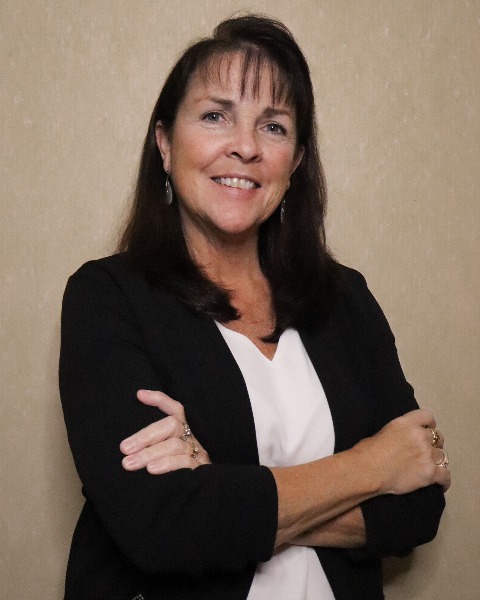
Michele Anderson
Manager of Sterile Processing, Allina Health
Michele Anderson is the Manager of Sterile Processing at Allina Health with over four decades of experience in the field. She holds both Certified Registered Central Service Technician (CRCST) and Certified Endoscope Reprocessor (CER) certifications. Michele is an active member of the Minnesota Sterile Processing Association and has served on its board for the past two years. Throughout her career, Michele has been dedicated to improving patient outcomes through safe and efficient sterilization practices. She is known for her hands-on leadership, knowledge of regulatory compliance, and collaboration with infection prevention.

Silvera Ford
Infection Prevention Nurse 3, The University of Kansas Health System
Silvera Ford is a Board-Certified Infection Preventionist at The University of Kansas Health System. In this role, she collaborates across disciplines to ensure patients are cared for in a manner that prevents the spread of infection. Preventing infections is her passion. Some of her responsibilities include partnering with perioperative and procedural areas, construction liaison and overseeing the quality assurance program for high level disinfection. For the last twenty-three years, Silvera has been an Infection Preventionist during which time she has been an active member of the local and national Association of Professionals in Infection Control (APIC). Silvera is currently the Past-President for the local Greater Kansas City APIC Chapter and member of the national APIC Annual Conference Committee. She also has experience in presenting to diverse audiences at the local, national and international levels.