

6/17/2026 | 8:00 AM-9:00 AM
Planetary Health 202: Strategies for a Climate-Conscious Infection Prevention Practice
Session Description: The climate crisis is no longer a distant concern, it’s a daily reality impacting infection prevention. From shifting patterns of vector and waterborne diseases to increased surgical site infection risks during extreme heat events, climate change is reshaping the landscape of healthcare-associated infections (HAIs). Yet many infection preventionists (IPs) still struggle to connect these global trends to their day-to-day work in a meaningful way.
Building on the foundation laid in Planetary Health 101, this session goes beyond awareness to offer tangible, implementable strategies for integrating climate-conscious thinking into everyday infection prevention practice. Through case examples, practical tools, and cross-disciplinary insights, participants will explore how to anticipate climate-related risks, incorporate resilience into routine workflows, and align infection prevention efforts with broader sustainability and emergency preparedness initiatives.
This session will spotlight real-world examples of climate-smart infection prevention in action, including how IPs can create or collaborate with green teams, support staff education on changing infectious disease risks, and engage in waste-reduction efforts or climate-conscious purchasing. Participants will also explore how infection prevention can support climate-resilient supply chains and help shape policies that reduce environmental harm without compromising safety. Additionally, this session will examine the growing evidence linking climate change and antimicrobial resistance, and how IPs can reinforce stewardship efforts amid environmental shifts.
Whether you're working in acute care, outpatient settings, or public health, this session is designed to equip you with strategies to help your infection prevention program not just respond to, but thrive in a changing climate.

Melissa Thone
Program Supervisor- Emergency Preparedness & Response, Ramsey County Public Health
Dr. Melissa Thone is a public health nurse, infection preventionist, and emergency preparedness leader committed to advancing climate-resilient, equitable healthcare. She serves as the Program Supervisor for Preparedness & Resilience at Ramsey County Public Health in St. Paul, Minnesota, where she leads a team focused on planning, training, response, and recovery for public health emergencies and preparing for climate-driven hazards that impact community health and emergency response systems. A nationally recognized speaker at the intersection of infection prevention and planetary health, Dr. Thone presented Planetary Health 101 at APIC25 and returns to APIC26 with Planetary Health 202: Climate-Conscious Strategies for Everyday Infection Prevention Practice. Her work centers on translating climate and health science into practical, systems-level strategies for infection prevention. Dr. Thone also co-chairs planetary health and climate-ready healthcare committees for both Health Professionals for a Healthy Climate and the Minnesota Public Health Association.
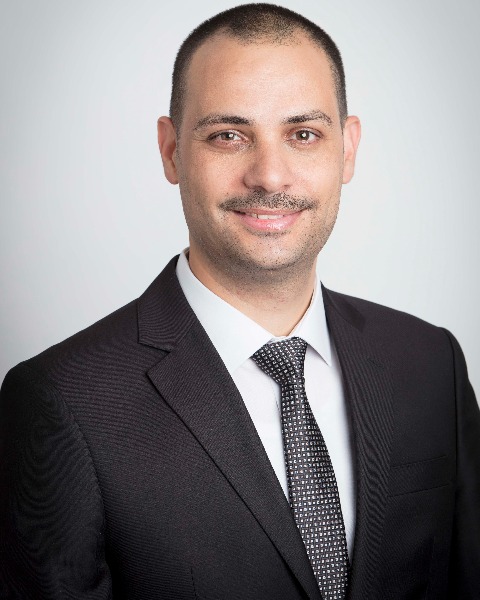
Bassel Molaeb
Healthcare Advisor, Trainer & Infection Prevention and Control Consultant, The Compass Health Consultancy, Dubai, UAE
Bassel Molaeb is the Healthcare Advisor, Trainer, and IPC Consultant for The Compass Health Consultancy in the UAE. He is an IPC expert with over 15 years of experience and has served as a consultant for several organizations, including the World Health Organization (WHO) Eastern Mediterranean Regional Office (EMRO). He was selected as the 2019 International Ambassador for SHEA and currently serves as a member of the SHEA Awards Committee. He is also a Fellow and Hero of APIC and served on multiple APIC committees and task forces. Bassel holds a Master of Public Health (MPH) from the American University of Beirut (AUB) and is board certified in infection prevention and control (CIC) by CBIC. He is currently a PhD candidate in Public Health at Lancaster University (UK), with research interests focused on the application of artificial intelligence and digital technologies in IPC training and education.