
6/16/2026 | 8:00 AM-9:00 AM
Point-Counterpoint: Fungal Bioaerosol Sampling for Infection Control and Prevention
Session Description: Patients, particularly those with weakened immune systems, are at risk for nosocomial infection from aerosolized fungal organisms in healthcare settings. Construction and renovation projects in healthcare settings have been implicated in outbreaks of nosocomial fungal infections. While environmental controls-such as high-efficiency particulate air filtration, negative pressure containment, and rigorous cleaning protocols—are widely accepted mitigation strategies, the role of fungal bioaerosol sampling remains controversial. Practices vary significantly across institutions and testing is limited by a lack of established standardized cutoffs and actionable thresholds.
This education session will be presented in a Point-Counterpoint format, with two speakers presenting opposing perspectives on fungal bioaerosol sampling in a hospital environment. The session will include a historical overview and review of the literature on fungal outbreaks linked to healthcare construction, a discussion of the scientific evidence and examination of the available guidance from the Centers for Disease Control and Prevention and other organizations, arguments supporting the implementation of bioaerosol sampling programs, and, finally, counterarguments highlighting the limitations and challenges of such programs. A case study from a National Cancer Institute-designated comprehensive cancer center with over a decade of bioaerosol sampling experience will be reviewed, as well as potential schema for a bioaerosol sampling program will be discussed along with proposed standards to clear spaces following construction. Lastly, this session will include an interactive segment allowing audience members to share and compare practices at their own institutions.
The goal of the session will be to promote dialogue among infection preventionists, environmental health and safety, and epidemiologists with regard to a controversial topic. This includes the role of environmental safety before reoccupying spaces, detecting hidden contamination, guiding remediation efforts, supporting compliance documentation, and fostering collaboration across teams.
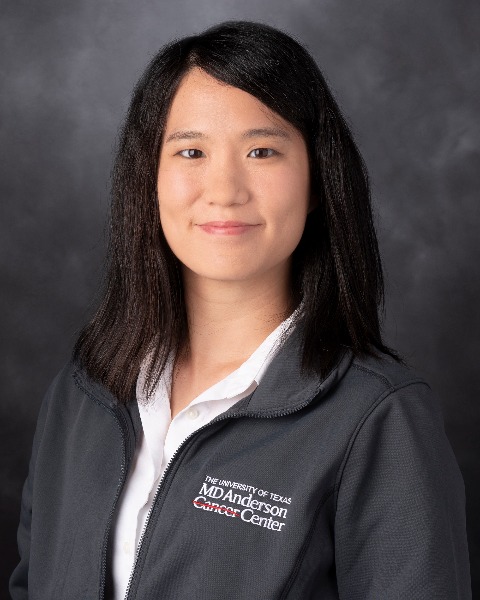
Chin-Ting Wu
Infection Preventionist, MD Anderson Cancer Center
My name is Chin-Ting Wu, MS, MLS, MB, CIC, holding dual master’s degrees in Microbiology and Molecular Genetics. I am an Infection Preventionist at MD Anderson Cancer Center, specializing in environmental infection control and molecular microbiological surveillance. With over ten years of experience in clinical microbiology and infection prevention, I have led initiatives to incorporate air sampling into infection control risk assessments during high-risk construction projects. My work includes optimizing air sampling protocols and collaborating closely with Environment Health and Safety team and Facilities teams to protect vulnerable patient populations.
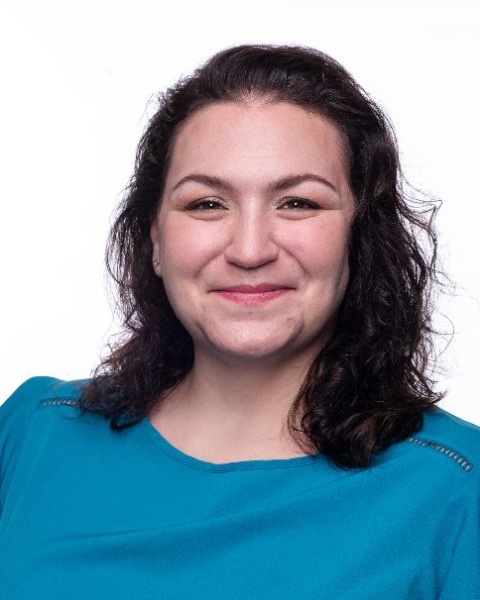
Adina Feldman
Infection Preventionist, The University of Texas MD Anderson Cancer Center
Adina R. Feldman, MPH, CIC, is an experienced, certified infection preventionist with a background in veterinary medicine and public health. A Houston native, she spent 20 years working as a veterinary technician before transitioning into human healthcare. She earned a Bachelor of Science in Animal Science and Entomology from Texas A&M University and a Master of Public Health from the University of Florida. Adina currently serves at MD Anderson Cancer Center, where she focuses on infection prevention strategies for immunocompromised patients. Her work includes emergency preparedness for emerging infectious diseases, policy development, education, and supporting institutional efforts to reduce healthcare-associated infections and improve patient safety. She has also contributed to peer-reviewed research and brings a practical, systems-level approach to infection control in complex healthcare environments.
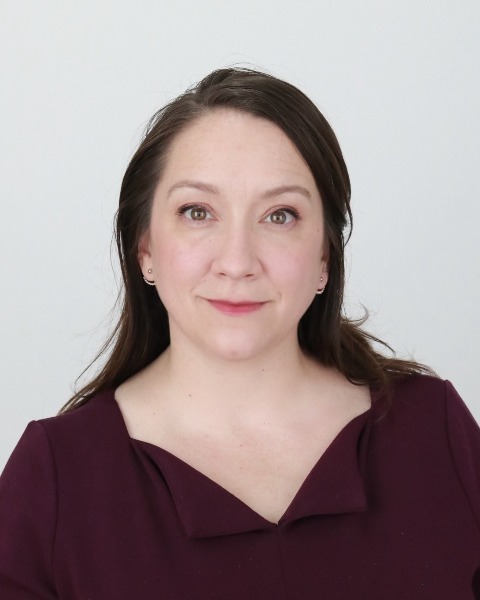
Kelley Boston
Senior Associate, Infection Prevention & Management Associates
Kelley Boston brings a background in public health and epidemiology to her infection prevention practice. Her primary experience is in acute care and behavioral health, and has held leadership roles in multi-facility systems that have included both community hospitals and major academic teaching centers, and specialized practice areas including pediatrics, transplant, and trauma. Ms. Boston holds certifications in infection prevention and control (CIC), healthcare quality (CPHQ) and is recognized as a Fellow of the Association for Professionals in Infection Control and Epidemiology (FAPIC). She is an active member of both SHEA and APIC, where she has served as president and board member in multiple chapters, and at the national level on the Communications Committee and as the Clinical Editor of the APIC Text Online, and was honored as an APIC Hero of Infection Prevention in 2016 for her work in infection prevention program integration and development.