
6/15/2026 | 10:00 AM-11:00 AM
Practical Tools and Insights to Strengthen Water Management Programs
Session Description: Water systems in healthcare facilities are essential to patient care, but when not properly managed, they can harbor opportunistic pathogens and contribute to healthcare-associated infections (HAIs). In 2017, the Centers for Medicare & Medicaid Services (CMS) began requiring hospitals and nursing homes to implement water management programs (WMPs) to reduce the risk of Legionella and other opportunistic pathogens of premise plumbing (OPPPs). According to the National Healthcare Safety Network (NHSN), 96% of acute care hospitals in the United States reported having WMPs by 2022—up from 79.7% in 2017. Despite increasing awareness of water-related infection risks, many healthcare facilities continue to face challenges implementing effective WMPs. This session will share timely insights and practical tools to support infection preventionists (IPs) in strengthening their facility’s water safety efforts. Presenters will highlight findings from two recent data sources: (1) analysis of WMP-related responses from the NHSN annual survey in both acute care hospitals and long-term care facilities, and (2) infection control assessments (ICARs) focused on patient water exposures. These data reveal persistent gaps in WMP implementation, limited staff awareness of water-related risks, and opportunities for stronger interdisciplinary collaboration.
To help address these challenges, new resources have been developed to support IPs in implementing and improving WMPs. This session will introduce the Framework for Healthcare Water Management Implementation, a practical guide outlining core elements and strategies for action. Presenters will also showcase Water Microlearns, a series of short, engaging training resources designed to build foundational knowledge about water infection risks and prevention practices.
Participants will leave with a deeper understanding of how water contributes to infection risk, along with actionable tools to support staff training, engage leadership, and drive improvements in WMPs across care settings.

Christine Yount
Environmental Health Scientist , Centers for Disease Control and Prevention
Christine Yount, MPH, REHS, is an Environmental Health Scientist at the Centers for Disease Control and Prevention (CDC) in the Division of Healthcare Quality Promotion. She serves as a subject matter expert in healthcare enviornmental infection control, focusing on strengthening water management programs through research, program evaluation, and frontline training. Since joining CDC in 2017, Christine has supported national infection prevention and environmental health initiatives and previously worked in CDC’s Division of Environmental Health Services supporting U.S. Virgin Islands hurricane recovery and COVID-19 response efforts. She has deployed for multiple public health emergencies, including COVID-19, Mpox, and Ebola, and has contributed to national guidance and peer-reviewed publications. Christine holds an MPH in Environmental Health Science from the University of Georgia and a BS from Georgia Institute of Technology.
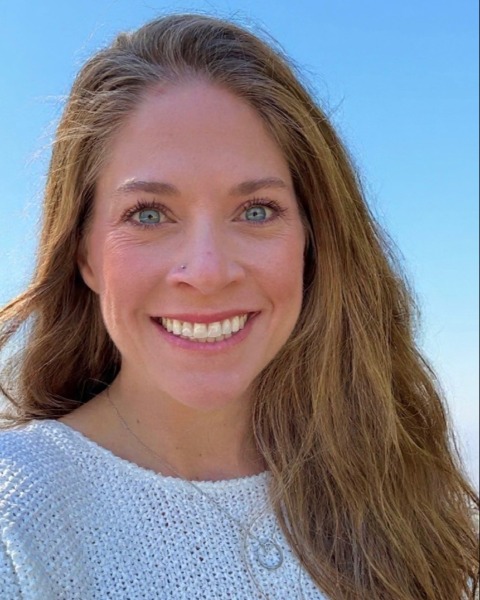
Jacqueline Woodring
Health Communications Specialist, Centers for Disease Control and Prevention
Jackie Woodring is a Health Communications Specialist at the Centers for Disease Control and Prevention (CDC). She leads the Project Firstline Engagement Team within the Health Systems Strengthening, Resilency, and Training Branch. In this role, Jackie is responsible for the strategic planning and implementation of communication and partnership activities to support CDC's Project Firstline. A national education and training collaborative, Project Firstline provides innovative and accessible resources to increase infection control knowledge and understanding among the frontline healthcare workforce. Jackie's portfolio also includes time spent in CDC's Center for Global Health, and working on award-winning public health campaigns supporting federally-funded and state and local clients, including CDC’s Tips From Former Smokers and FDA's Fresh Empire. Jackie received her BS in Community Health and Human Services from Georgia College and State University in 2011.