

6/16/2026 | 2:15 PM-3:15 PM
United States-Canada Outbreaks: Shared Lessons Learned for Infection Preventionists
Session Description: The world’s longest international land border. This proximity impacts cross-border travel and trade while promoting public health efforts in both countries to protect the human and animal populations. Outbreaks in one country involving foodborne pathogens and respiratory viruses can impact the other country without respecting regional boundaries. Wildfire smoke increases susceptibility to respiratory tract infections in both populations who are exposed to the smoke. Antimicrobial resistance is a shared public health concern. Both countries provide healthcare services to underserved communities, Indigenous populations, and vulnerable residents in long-term care settings. Resultantly, United States and Canadian infection preventionists (IPs) must maintain a continual heightened vigilance for disease emergence that may cross the border.
Sharing evidence-based interventions to mitigate outbreaks with cross-border pathogens can provide valuable clinical insight and learning for IPs globally. Resources from other regions may serve as useful guides when local public health recommendations are delayed or unavailable. The lessons learned can enhance outbreak preparedness, especially when novel pathogens have been detected such as SARS-CoV-1 (Severe Acute Respiratory Syndrome Coronavirus 1).
This session will explore several notable healthcare related cross-border outbreaks, including measles, mumps, listeria, and Shiga toxin-producing E. coli, their mitigation strategies, and lessons learned. Best practice recommendations from the Public Health Agency of Canada and various Provincial Health Departments, The Centers for Disease Control and Prevention and various State Health Departments will be highlighted and discussed.
A key take-away message is a greater awareness that Canadian outbreak management recommendations should not replace national guidance in the United States but serve as a complimentary resource. These recommendations provide an alternative perspective to help bridge operational gaps and promote the delivery of safe patient care.

Steven Schweon
Infection Preventionist, Consultant
Steven J. Schweon RN, MPH, MSN, CIC, LTC-CIP, CPHQ, FSHEA, FAPIC is a seasoned, board-certified infection preventionist. He first became interested with infectious diseases while serving as a United States Army medic where he specialized in sexually transmitted diseases. He later worked on the high technology isolation ward at Ft. Detrick, Maryland, home of “The Hot Zone.” Staff nurse experiences include critical care and behavioral health. Steve has been an infection preventionist since 1995, achieving continual board-certification since 1997. He has authored / co-authored articles in peer reviewed publications, lectured and presented posters at national conferences, and taught national webinars. He is currently serving or has previously served on various national and international committees. On a personal level, both of his parents have developed healthcare associated infections (HAIs). Resultantly, he strives daily to make a positive difference and aims to make his presentations interesting, engaging, and fun.
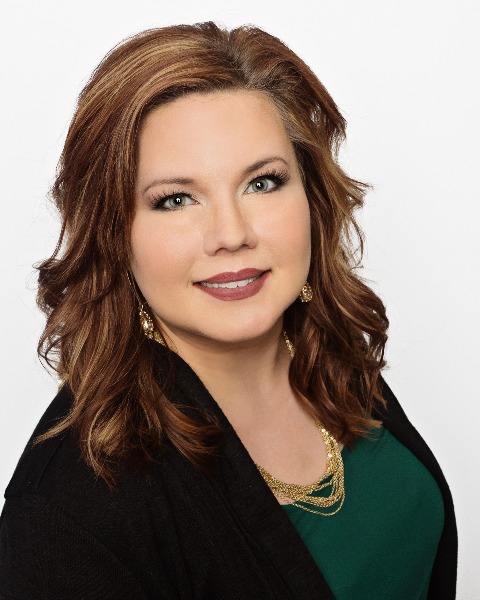
Jennifer Happe
Infection Control Professional, Alberta Health Services
Jennifer Happe holds a Master of Science degree in Microbiology and Infectious Diseases and has worked in infection prevention and control for 15 years with Alberta Health Services in Canada. Jennifer currently works at the Alberta Children’s Hospital. Jennifer is an advisor on the National Advisory Committee on Infection Prevention and Control for the Public Health Agency of Canada (PHAC). She is member of several PHAC Canadian Nosocomial Infection Surveillance Program Work Groups. Jennifer is a former Director on the Board of Infection Prevention and Control Canada (IPAC Canada) and Chair of the IPAC Canada Surveillance and Applied Epidemiology Interest Group.

Trent MacAllister
Infection Preventionist, Washington State Department of Health
Trent MacAllister, MPH, MS, CIC, is an Infection Preventionist at the Washington State Department of Health within the Healthcare-Associated Infections and Antimicrobial Resistance Section. In this role, Trent conducts Infection Control and Response (ICAR) consultations with healthcare facilities throughout the state. He has also provided outbreak investigation and response support to acute care, long-term care, ambulatory care, residential treatment, and behavioral health facilities. Trent worked as an infection preventionist in an acute care hospital before transitioning to his current role in public health. Trent is the Association for Professionals in Infection Control and Epidemiology (APIC) 2026 Annual Conference Committee (ACC) Chair. In his free time, Trent enjoys mountain biking, hiking, hanging out with his dogs at the lake, and traveling the world with his wife.